





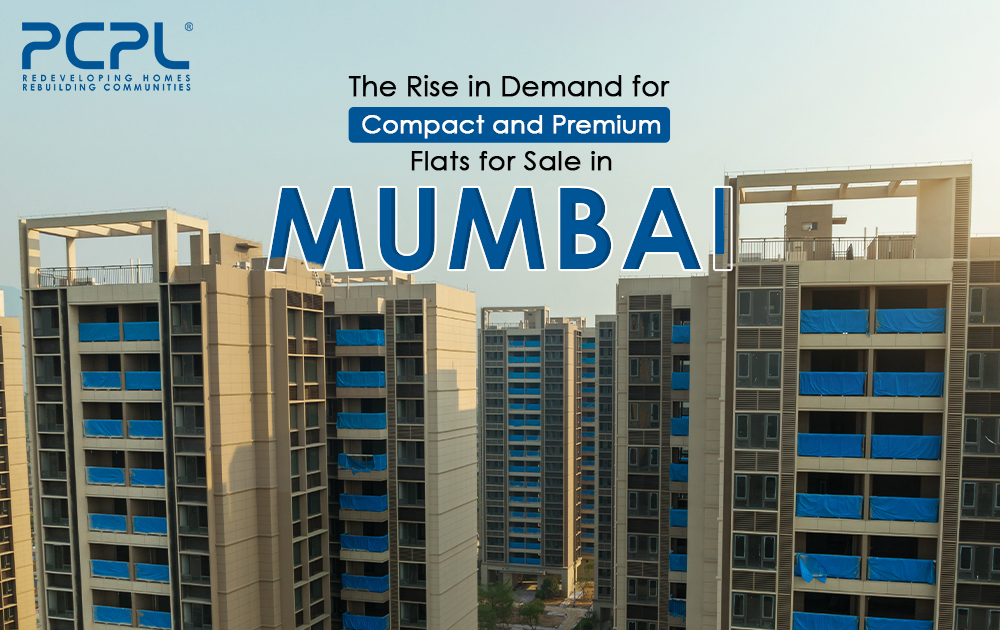
The Rise in Demand for Compact and Premium Flats for Sale in Mumbai
- November 03, 2025
Demand in Mumbai is moving in two clear directions at once. On one side there is strong interest in compact homes that reduce maintenance and offer efficient use of space. On the other side there is continued appetite for premium homes that prioritise convenience and lifestyle. Developers and buyers alike are recognising that a well designed compact unit can match many modern needs while premium units offer higher levels of comfort and services. This dual trend is shaping how new offers are packaged and marketed across the city.
Smaller homes are winning attention because they fit changing household patterns. A 1 BHK flat for sale in mumbai often appeals to young professionals and small families who want low upkeep and good connectivity. Well planned compact units maximise daylight, storage and usable living area so the space feels larger than its square footage suggests. At the same time, a 2 BHK flat for sale in mumbai remains highly desirable for those who need an extra room for a child or a home office.
How Flats in Mumbai Are Prioritizing Modern Lifestyles
Today’s flats in Mumbai are designed for flexibility. Units are planned so a corner can double as a home office, kitchens are arranged for efficient movement, and storage is integrated to reduce clutter. Developers pay attention to broadband provisioning so residents can rely on steady connectivity for work and learning. For many buyers the practical comfort of a flat outweighs superficial finishes.
Many new schemes incorporate on-site conveniences such as fitness facilities, parcel lockers and managed play areas. These features reflect a shift toward community focused amenities that make urban life easier. Buyers who decide to buy flat in Mumbai frequently weigh such ongoing conveniences alongside location and price.
Why Redevelopment Improves Safety and Livability
A large share of Mumbai’s housing stock predates modern safety and service standards. Redevelopment replaces older structures with buildings that meet current codes, and it is a responsible route to improving structural safety, fire preparedness and utility capacity. Redevelopment also provides an opportunity to introduce contemporary mechanical systems and modern home design elements that lower running costs and increase comfort.
Redevelopment projects must be carried out with transparent resident rehabilitation plans and clear approvals. That transparency helps ensure the benefits are tangible for people who move back into the new building or who receive alternate accommodations during construction.
Amenities That Add Everyday Value
Amenities now answer specific needs instead of serving only aesthetic aims. Practical inclusions include reliable backup power, organised waste collection, electric vehicle charging points and flexible communal spaces. A gated community format is often preferred by families who want centralised security and managed services, but buyers should review service agreements to understand responsibilities and recurring costs.
Landscape elements such as rooftop gardens and small courtyards give relief in dense neighbourhoods and contribute to wellbeing. Well maintained facilities, scheduled management and clear service level descriptions are what turn amenity lists into living advantages.
Design Choices That Make Urban Living Work
Good apartment design begins with daylight, ventilation and sensible circulation. Simple measures such as larger windows, cross ventilation and efficient kitchen planning yield measurable benefits for residents. Modern home design also emphasises durability, easy maintenance and energy efficient fixtures that reduce monthly bills.
Design that anticipates changing household needs, for example rooms that can shift between nursery and home office, keeps a home functional longer and increases its practical resale value.
PCPL Projects: Practical Redevelopment in Action
PCPL’s redevelopment work demonstrates how careful planning can upgrade both safety and daily life. PCPL Jamuna Mahal in Santa Cruz focused on structural strengthening and improved unit layouts while ensuring that resident rehabilitation was handled with clear communication. Falcon Crest in Malad West prioritised better circulation and shared services, creating communal spaces that are genuinely usable for different household routines. These projects show a focus on deliverables such as improved utilities, clearer management frameworks and safer construction rather than on unverified promises.
What Buyers Should Check Before Committing
If you are evaluating residential property in Mumbai or considering new projects in Mumbai, insist on verifiable items. Ask for structural and fire safety clearances, written maintenance plans and details on power and water backup. Clarify how common areas will be managed, who handles security and what the maintenance charges cover. Inspect unit layouts for daylight, ventilation and storage so the flat will work for everyday life.
Look beyond glossy brochures to documented approvals and tractable management agreements. Practical checks protect buyers and help ensure the home remains comfortable for years to come.
Conclusion
Mumbai’s property market is evolving to support contemporary routines, with redevelopment playing a central role in replacing outdated stock with safer and more useful homes. Thoughtful design, sensible amenities and transparent management are the features that make urban living truly livable. For buyers and homeowners, focusing on verified safety, long term maintenance and adaptable design will identify developments that align with a genuine modern lifestyle.
You may also Like

Is Now the Right Time to Buy a 2 BHK Flat in Mumbai

How Property in Mumbai Is Evolving to Match Modern Lifestyles